Style
First Contact With Luxury Travel
The best luxury trips are not about brands. They're about time, access, and the quiet things that expensive places do well.
May 22, 2025 · 8 min read

Luxury travel used to mean gold taps and marble lobbies. A lot of it still does, and honestly a lot of that is boring. The luxury travel that's actually worth the price now is about time and access. Time saved by having somebody else handle logistics. Access to places, meals, and experiences you couldn't get on your own.
The traveler who spends $600 a night at a chain hotel and eats at the concierge's recommendations is often having a worse trip than the one spending $180 at a well-run family riad in Marrakech. The price alone doesn't do it. The right kind of spending does.
What actually feels luxurious
A few things reliably feel like luxury regardless of price bracket.
Being greeted by name. This is entirely a service culture thing, not a price thing. A small hotel in the Cotswolds, a good ryokan in Kyoto, a family-run posada in Uruguay can all do this. Big chains often can't.
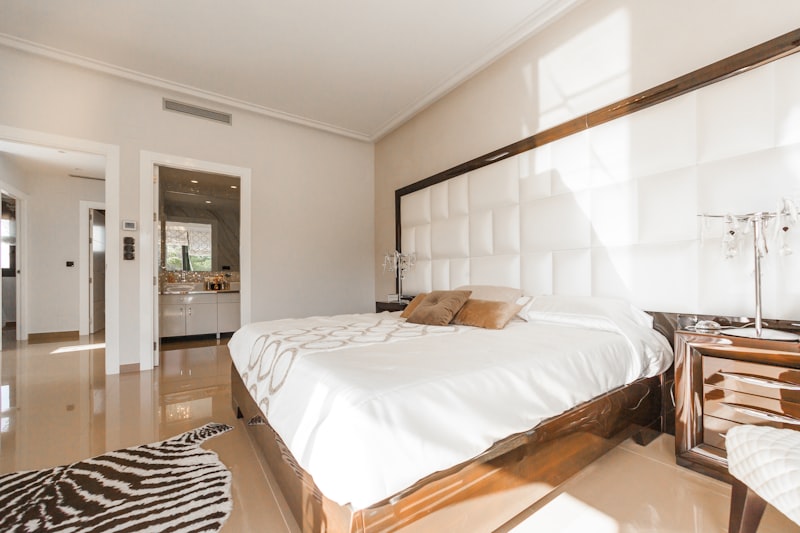
A room where nothing is broken. The remote works, the wifi is strong, the water pressure is good, the shower drains, the coffee machine has actual coffee. This is embarrassingly hard to find even in five-star hotels.
Not having to think about logistics. The car appears when you need it. The reservations exist. The tickets are ready. The bag arrived in the room before you did.
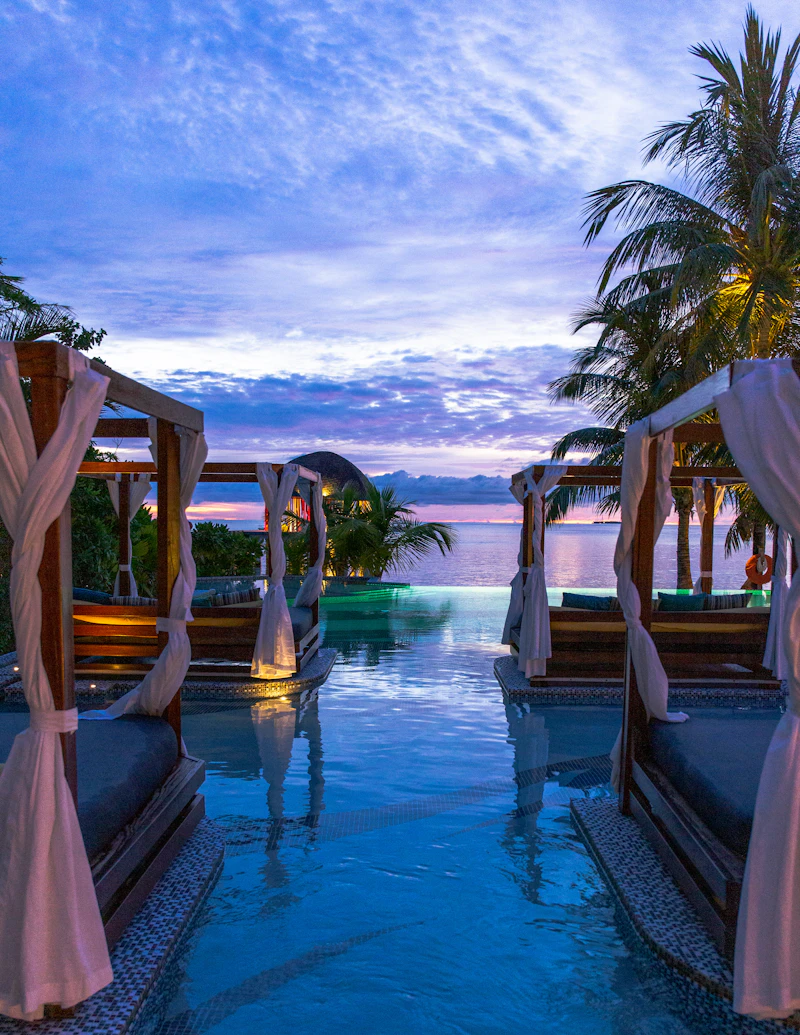
Silence. Genuine quiet. In a city hotel, a room that faces the courtyard. In a beach resort, a section without a pool party. In a mountain lodge, a wing away from the family suites.
Small hotels do the first three well. Some chains do the fourth well. The really good luxury hotels do all four.
The category that isn't hotels
The most interesting spending in luxury travel now isn't the hotel. It's the fixer.
Small local specialists, often called travel designers or destination specialists, plan trips in a specific country or region and have relationships nobody outside can replicate. A good specialist in Japan can get you into restaurants that don't take reservations from strangers, into private tea ceremonies, into workshops that don't advertise. A good specialist in Kenya can put you in tented camps that aren't on booking sites and pair you with the best guides in the country.
They cost money, both a planning fee and often a markup on your bookings, but the value they add on a two-week trip is enormous. Most of them are individuals or small teams, not big travel agencies. Ask around, especially in specific-country Facebook groups or from friends who have done a similar trip.
The rule is that a specialist earns their fee in ways you can measure, better rooms, better guides, better tables, and in ways you can't, like knowing which villages you shouldn't skip.
Small hotels vs big hotels
The industry is quietly splitting. On one side, chain expansion, especially at the aspirational end, Four Seasons and Aman opening properties in more cities. On the other, a growing collection of small independent hotels doing something specific extremely well.
Chain luxury is reliable and often correct. If you don't want to think, a Four Seasons is a Four Seasons. The bed will be good, the breakfast will be good, the concierge will be competent.
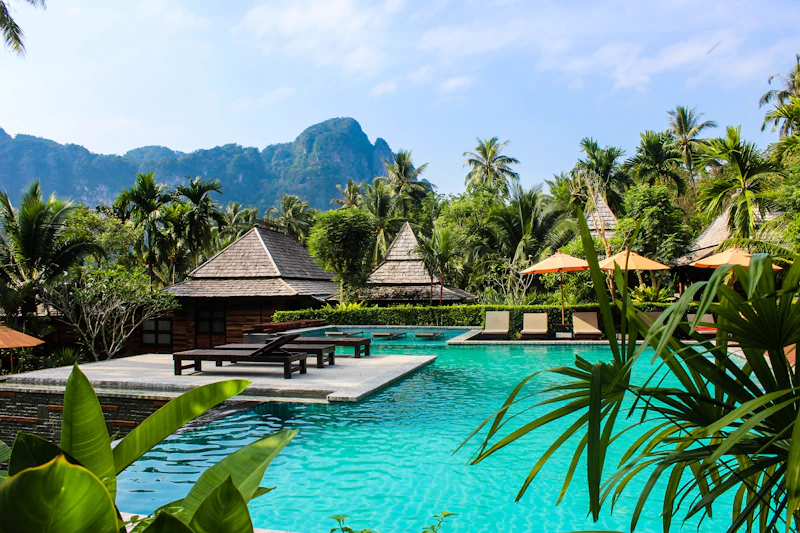
Small hotel luxury is riskier and often much better. A 12-room house in Fez run by the family who owns it. A converted farm building in Umbria where the owners cook you dinner. A wooden villa in Bali that's just you and one couple next door. These places have soul and idiosyncrasy that chains can't manufacture.
The trade-off is consistency. Small hotels have off days that chains don't. But when they're on, they're better.
The meal that is worth flying for
Luxury eating is where a lot of trips go wrong. It's easy to book the famous restaurant and end up at a three-hour tasting menu that's technically impressive and emotionally empty.
The best luxury meals share some qualities. A specific point of view, not a general one. A room that isn't trying to look like everyone else's. Service that seems to actually enjoy the customers. Wine that isn't dominated by a single region's overpriced classics.
The examples are personal but a few come up again and again. Mirazur in Menton for the setting alone. Steirereck in Vienna's Stadtpark. Alchemist in Copenhagen for the sheer audacity. The little places in Tokyo that don't take reservations from foreigners without a local introduction. Certain three-star restaurants in the French countryside where locals still eat because it's actually good, not because it's on a list.
A single meal like this on a two-week trip is often more memorable than three nights in a suite.
When to fly business
Business class is a comfort upgrade. It's not, most of the time, a spend-your-way-into-a-better-trip upgrade.
Where it matters most is on flights over 10 hours, especially eastbound, where the ability to lie down and sleep changes how you feel for the first two days at destination.
Where it matters less is on flights under six hours, where you land at similar times either way and can catch up on sleep at the hotel.
Miles and points are still the most cost-effective way to fly business, especially transfer-partner programs like Amex Membership Rewards or Chase Ultimate Rewards. Paid business class fares have crept up a lot since 2022 and are often hard to justify. First class is almost always overpaid, unless it's a specific aircraft experience like Emirates' A380 first or Singapore's Suites.
Premium economy, especially on long east-to-west flights, is often the smart middle spend.
The quieter kind of luxury
There's a specific kind of luxury that most people who can afford real luxury eventually gravitate toward. It's not gold taps. It's the small hotel with 6 rooms in a Sicilian village. It's the private guide in Petra who takes you into the site at dawn before it opens. It's the sailboat with 4 cabins that anchors in coves the day-tripper boats can't reach.
The common thread is that these experiences are quieter, slower, and often more intimate than the obvious luxury choices. They cost real money, but the money buys attention and access, not spectacle.
What luxury doesn't fix
Some things don't get better with money. Jet lag, mostly. The airport experience, even from a business lounge, is still an airport experience. Weather. Local politics. A city that's just having a bad week for you.
The best luxury travel accepts this. It doesn't try to insulate you from the destination, it makes contact with the destination easier and richer. When it's done well, that's what you're paying for.
Keep reading


