
Destination guide
First Contact with Canada
Mountains, small towns, and a country you'll never see all of
Canada is huge and thinly populated, which is both its cliche and its truth. Most of the country lives within 200 kilometers of the US border. The rest is boreal forest, arctic tundra, and mountains most travelers never see. Even three weeks barely covers one region well.
Section
First Impression
The politeness is real and the accents vary more than outsiders think. A conversation in Vancouver, Montreal, and St. John's Newfoundland could feel like three different countries. Scale is the other first impression. Driving from Calgary to Vancouver takes a long day even without stopping.
Section
Local Etiquette
- Tipping is expected, 15 to 20 percent at restaurants, a dollar or two per drink at bars.
- Basic French politeness goes a long way in Quebec, even if you switch to English quickly.
- Line up. Canadians take queuing seriously.
- Take your shoes off at the door of most homes.
Section
Getting Around
Flying is often the only practical way between provinces. Air Canada, WestJet, and low-cost carriers like Flair cover most routes. VIA Rail's Toronto to Vancouver train is an experience but takes four days. In cities, transit is generally good in Toronto, Montreal, and Vancouver. Renting a car opens up the mountains and rural coasts. Winter driving needs proper tires and respect.
Section
What Everyone Should Try
- Poutine in Montreal, ideally at 2am after a hockey game
- A butter tart in small-town Ontario
- Fresh Digby scallops on the Nova Scotia coast
- Nanaimo bars, a proper Vancouver Island tradition
- A rye whisky flight in Alberta, better than you'd expect
Budget snapshot
What things actually cost
Hidden gems
Places most guides skip
Fogo Island, Newfoundland
A tiny island off Newfoundland's north coast with a striking modern inn and traditional root cellars still in use.
Tofino, Vancouver Island
West coast surf town with old-growth rainforest and empty beaches, especially in the winter storm-watching season.
Gros Morne National Park
Fjords and geological wonders on Newfoundland's west coast. The Tablelands are among the few places on earth where the earth's mantle is exposed.
Charlevoix, Quebec
Two hours north of Quebec City, rolling hills, whale watching in the Saint Lawrence, and some of the best small restaurants in the country.
Yukon
The Dempster Highway to the Arctic Ocean, aurora borealis in winter, and Dawson City frozen in Gold Rush time.
Section
Common Tourist Mistakes
- Assuming Toronto and Vancouver are near each other. It's a five-hour flight.
- Underestimating winter, in either direction. Montreal in January is well below zero. Vancouver in January is rain, not snow.
- Skipping the Maritimes. Nova Scotia, PEI, and Newfoundland are among the country's best travel and the cheapest.
Section
Best Time to Visit
June to September works almost anywhere. July and August are prime for the Rockies but crowded. September brings fall colors in Ontario, Quebec, and the Maritimes. Winter is prime for skiing in Whistler, Banff, and Mont Tremblant, and for northern lights in the Yukon. Spring shoulder in April and May can be muddy.
Gallery
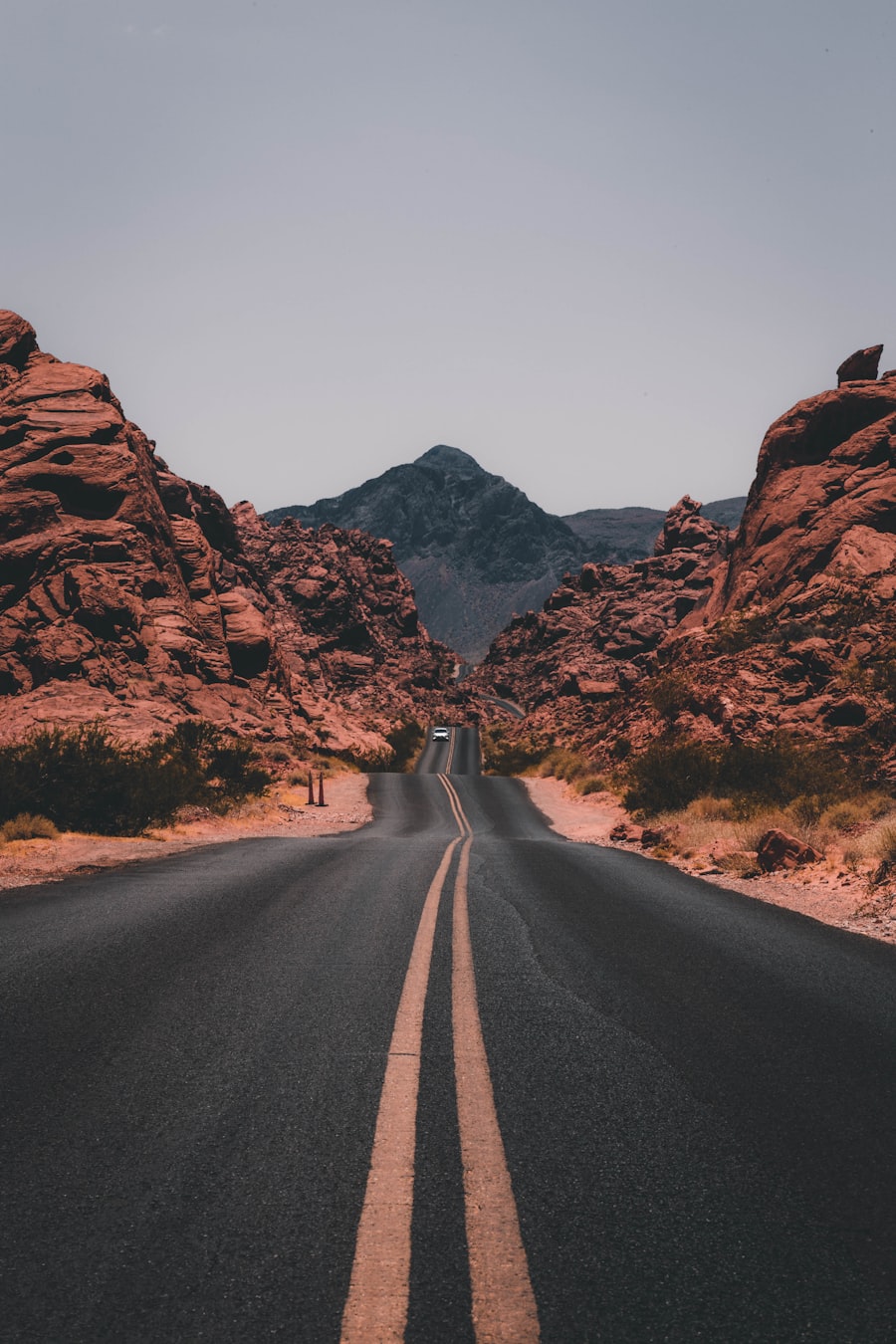
Canada in three frames


Ready to go?
You've made first contact. Now start planning the trip.
Also worth meeting


